Current Chemistry Investigators (CCI) is an informal education and public engagement project about the science of energy storage and chemical analysis. The 2019 Nobel Prize in Chemistry was awarded for the discovery of the Lithium-Ion battery, a technology that has revolutionized modern society! These batteries are now in our phones, cars, laptops and houses.
With increasing demands for energy worldwide, we need to find more efficient ways to store and transport green energy to secure the future of our planet. Renewable energy sources such as solar and wind are intermittent so we need large scale storage options to make batter use of them. Batteries have made technology portable and opened up immeasurable opportunities for green energy, storage, analysis and remote diagnostics. Current Chemistry Investigators (CCI) provides students, teachers and the general public with hands-on activities based on simple electrochemistry and electroanalytical concepts delivered through tangible scientific role models.
CCI also provides Irish researchers at several Irish institutions with valuable and beneficial experience in science communication, helping them develop essential skills to share their research with wider audiences. The unique partnership model not only increases our accessibility, it also creates unique networking opportunities and sharing of resources and ideas. Using an Irish context, this the CCI project creates an appreciation for the role of chemistry in everyday life, increasing interest in this vital area for the benefit of everyone’s future.
Meet the Team
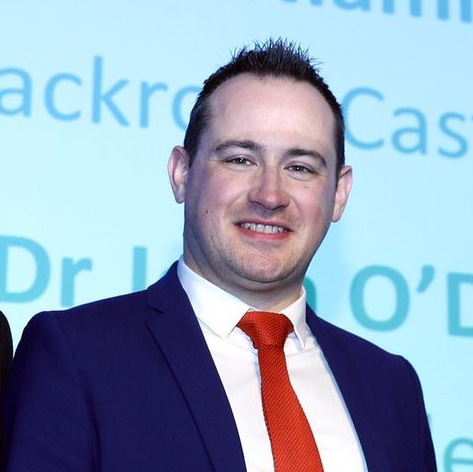
Project Manager and Training
Dr. John O’Donoghue, TCD and RSC
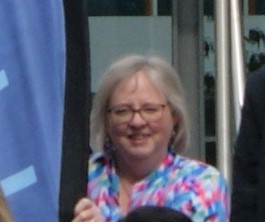
North West Technical Officer
Mary Connolly, ATU Sligo

Tyndall Coordinator
Lynette Keeney, Tyndall National Institute

Graphic Designer
Inigo Iribarren, TCD

Photographer
Conor Harford, Freelance. Find here on Instagram
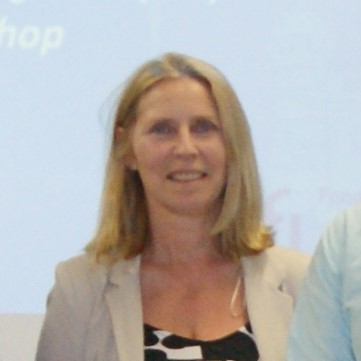
NW Regional Coordinator
Dr. Fiona McArdle, ATU Sligo
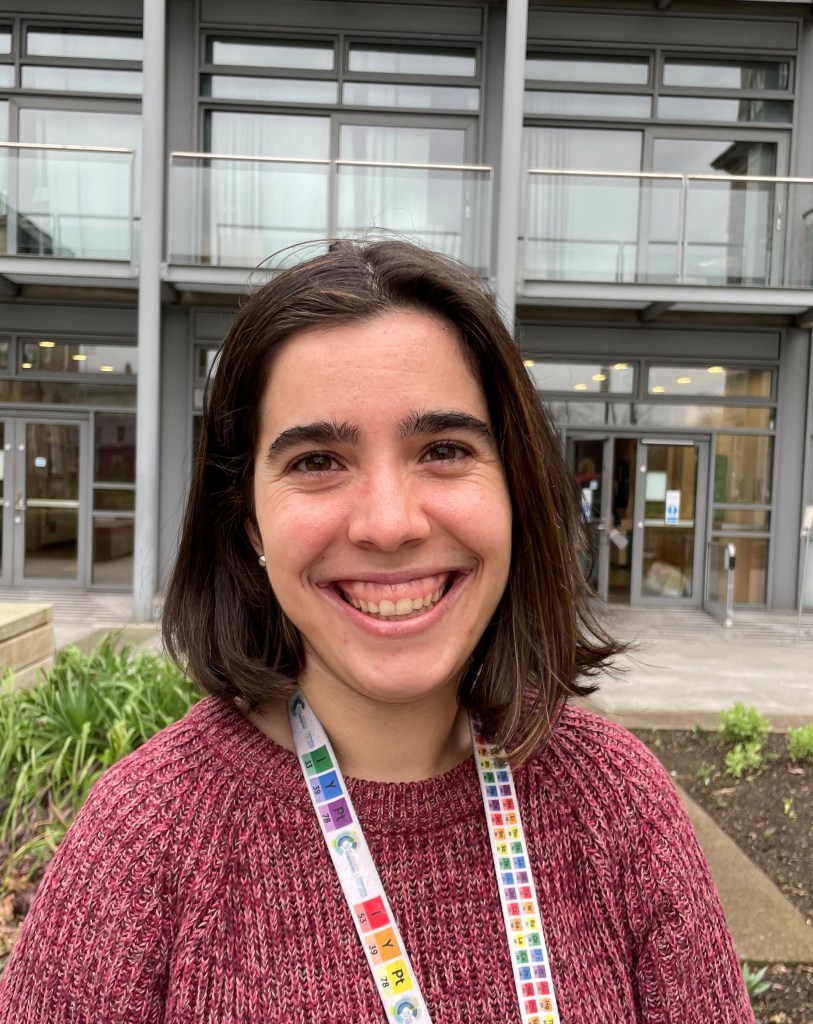
Schools Coordinator (22-25)
Dr. Natalia Garcia Domenech, TCD

UCC Coordinator
Dave Otway, UCC
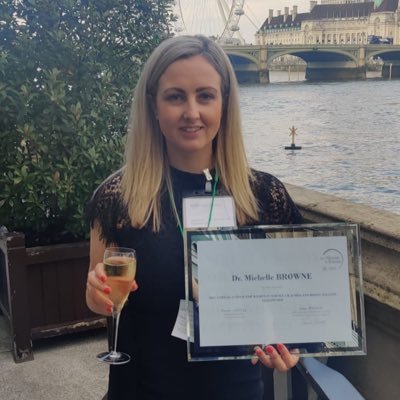
Development and Promotion
Dr. Michelle Browne, Helmholtz-Zentrum Berlin

Schools Coordinator (25-26)
Dr. Nishanth Thomas, TCD
Education and Ethics
Dr. Niamh McGoldrick, TCD
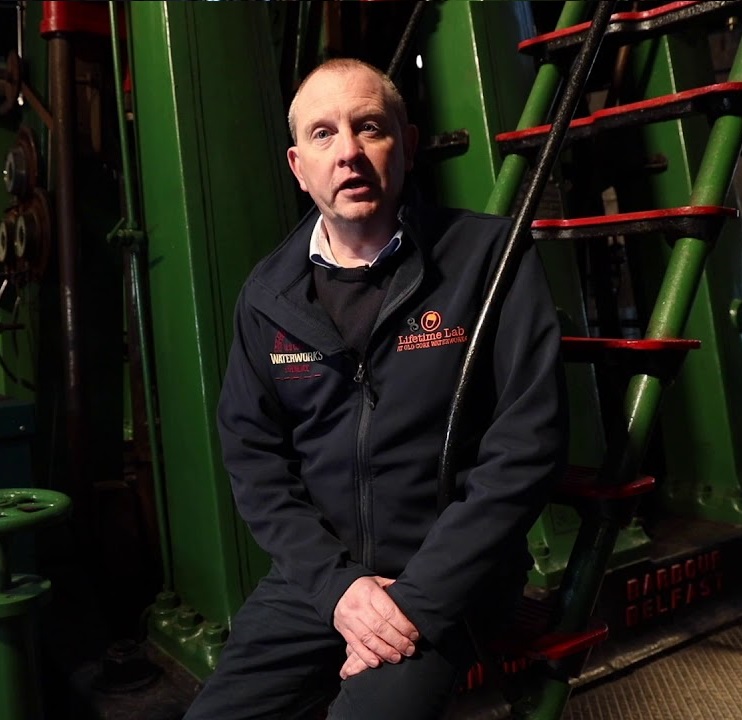
Public Engagement Coordinator
Mervyn Horgan, Lifetime Lab
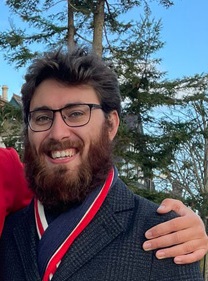
Southern Technical Officer
Will Daly, UCC
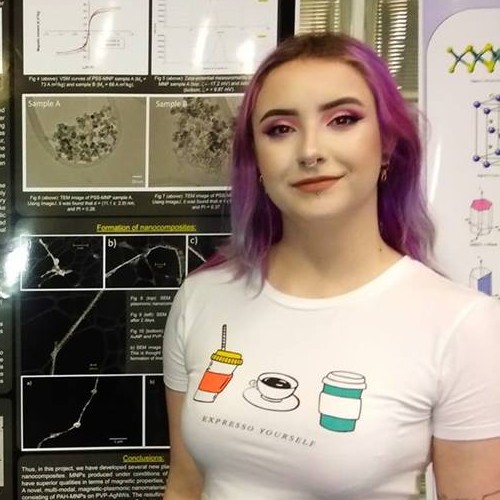
Postgraduate Support
Áine Coogan, TCD
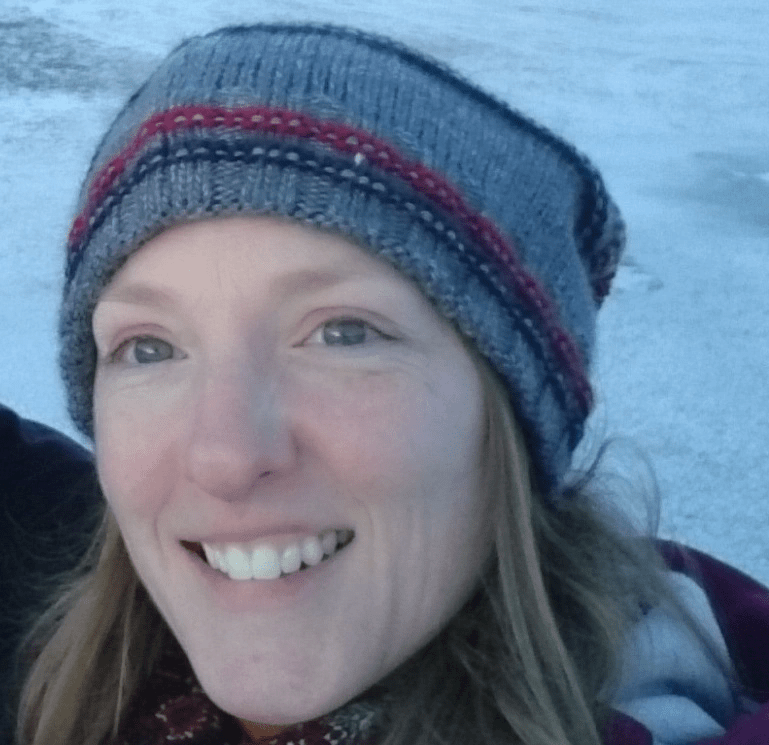
External Oversight Lead
Yvonne Lang, ATU Sligo
Research and Feedback
Public Engagement Ethics:
The following details apply to all those providing feedback at public events. The consent information for school workshops is provided separately to teachers.
What will the study involve? The public engagement survey questions are asked using a tablet computer connected to a stand near the activity, but away from the presenters/ambassadors. You are provided with five ‘smiley faces’ ranging from red (I hated it), to orange (I didn’t like it), to grey (neutral), to blue/green (I liked it) to dark green (I loved it).
Why have you been asked to take part? You have been asked to complete the survey because you took part in a CCI public engagement workshop at a public event entitled “Do You Want to Make a Battery?“. This workshop is part of the Research Ireland Current Chemistry Investigators (CCI) project run by the School of Chemistry at Trinity College Dublin (TCD), the Atlantic Technological University, Sligo and Lifetime Lab, Cork (in partnership with Tyndall National Institute and the UCC School of Chemistry).
Do you have to take part? No, participation is entirely voluntary, and you can withdraw your response at any time by emailing the researcher at john.odonoghue [at] tcd.ie with the date and time that you submitted your response. If you chose to withdraw, your submitted response will be deleted.
Will participation be kept confidential? Yes, we will ensure that no clues to your identity will appear in any write-up. Results from the data analysis will be presented in a cumulative form. Individual responses will only be visible to the researchers.
What will happen to the information? Each survey response will only be identified by an anonymous participant number related to the Date and Time of the response. The anonymous data file will only be seen by members of the research team.
What will happen to the results? The results will be used to improve the offering in the future and may be published in a research article in an academic journal or presented at conferences as a poster or presentation, and only published as cumulative data (see below).
What are the possible disadvantages of taking part? We don’t envisage any negative consequences for you taking part. If at any stage you feel distressed by any of the questions, you are welcome to ask the researchers to discontinue the survey. Any responses given will not be stored. Further information: Dr John ODonoghue (john.odonoghue [at] tcd.ie).
CCI Public Engagement Evaluation:
We presented the feedback from our CCI Public Engagement activities at the ViCEPHEC (variety in chemistry education and physics higher education conference) in August 2025 at the University of Liverpool as a poster. We got plenty of questions from attendees and had great discussions, which provided us with critical external peer review for our work so far.
We have also published this work in the Journal of Chemical Education as open access:
https://pubs.acs.org/doi/full/10.1021/acs.jchemed.4c01123
CCI Workshop Evaluations:
We presented the first feedback from our CCI school workshops at the ViCEPHEC (variety in chemistry education and physics higher education conference) in August 2023 at the University of Durham. We got plenty of questions from the audience and had great discussions afterwards, which provided us with critical external peer review for our work so far.
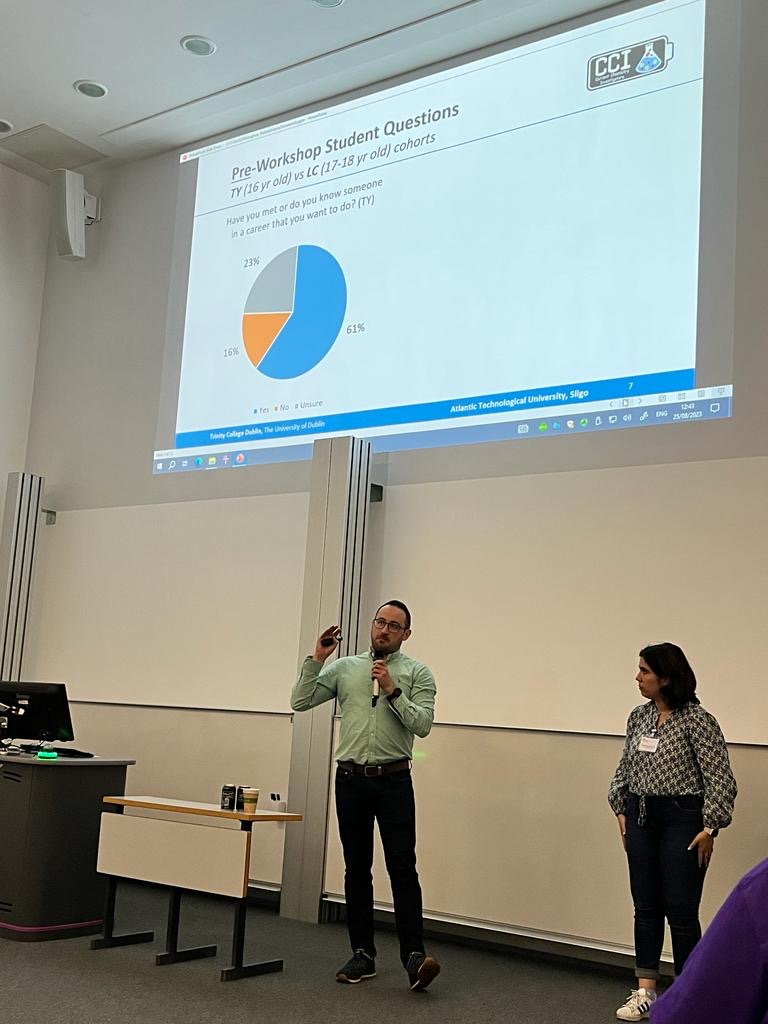
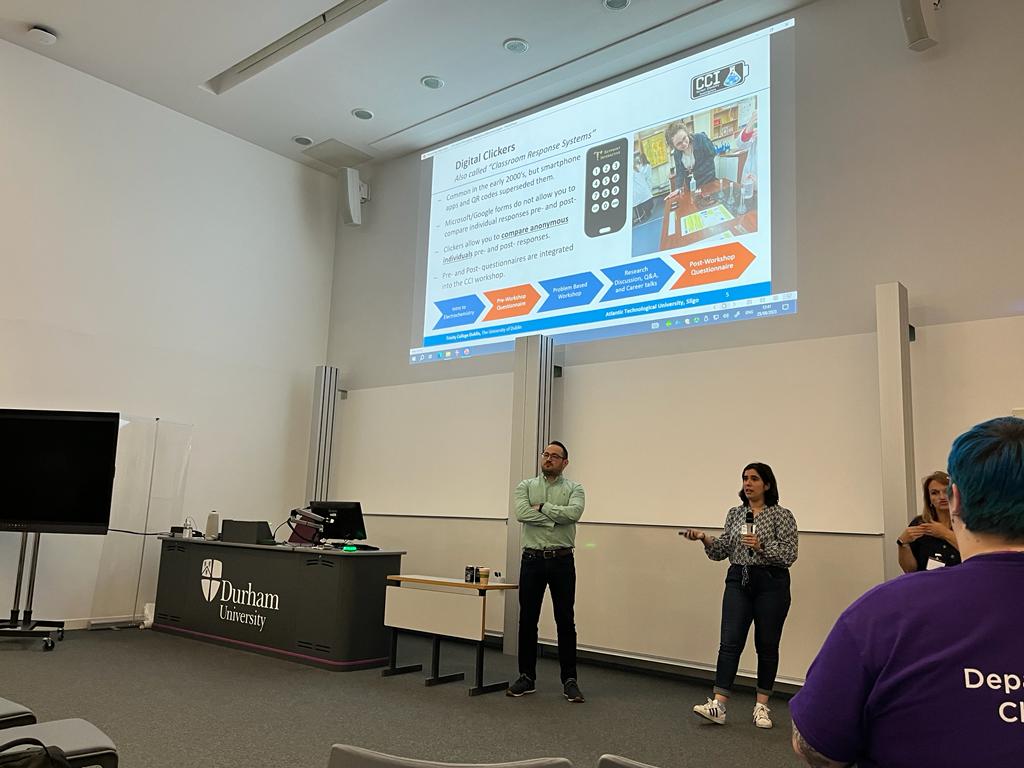
We also published the workshop details and the feedback data in the Journal of Chemical Education in September 2023 after further external peer review. It is available to read in the link below as open access. We are delighted that the feedback has been so positive so far. For the question “Rate the workshop content in terms of how useful it was for your studies”, it was found that 81% of the total students rated the workshop content as good or excellent. While 93% of the total students stated that they somewhat agreed or agreed with the statement: “How much do you agree with the Statement: I enjoyed meeting the science researchers”. We are also very proud of the fact that 58% responded that the session had somewhat or greatly encouraged them to pursue a STEM career, with 32% being undecided. This demonstrates the enormous influence of our project on the number of students choosing STEM careers in Ireland. We have also published this work in the Journal of Chemical Education as Open Access:
https://pubs.acs.org/doi/10.1021/acs.jchemed.3c00515
Formative Evaluation:
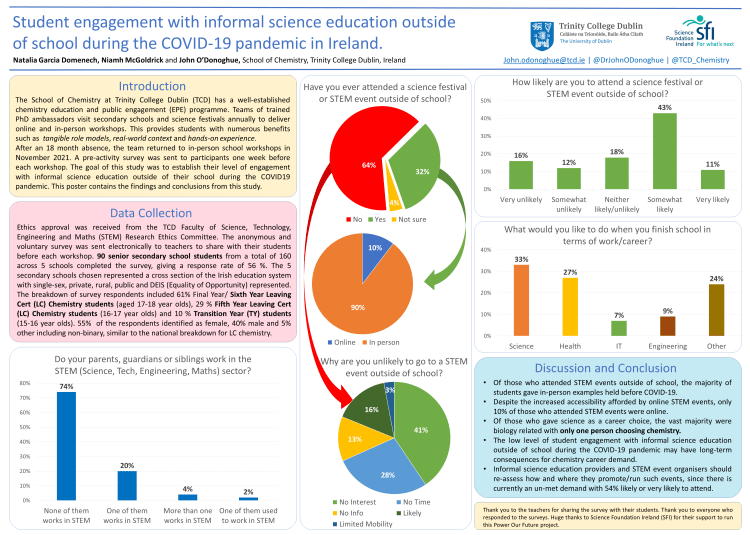
Student engagement with informal science education outside of school during the COVID-19 pandemic in Ireland: RSC Twitter Poster Competition, March 2022
http://dx.doi.org/10.13140/RG.2.2.32564.94085
This poster represents a pre-activity survey was sent to secondary school workshop participants one week before each workshop. The goal of this study was to establish their level of engagement with informal science education outside of their school during the COVID19 pandemic. This poster contains the findings and conclusions from this study.
 Current Chemistry Investigators (CCI)